Old radios turn up in almost every estate we handle. They are tucked in closets, stacked on garage shelves or still proudly displayed in the living room. Most bring a modest price, but a few are worth far more than families expect. Here is how to tell what you have before it ends up in the donation pile.
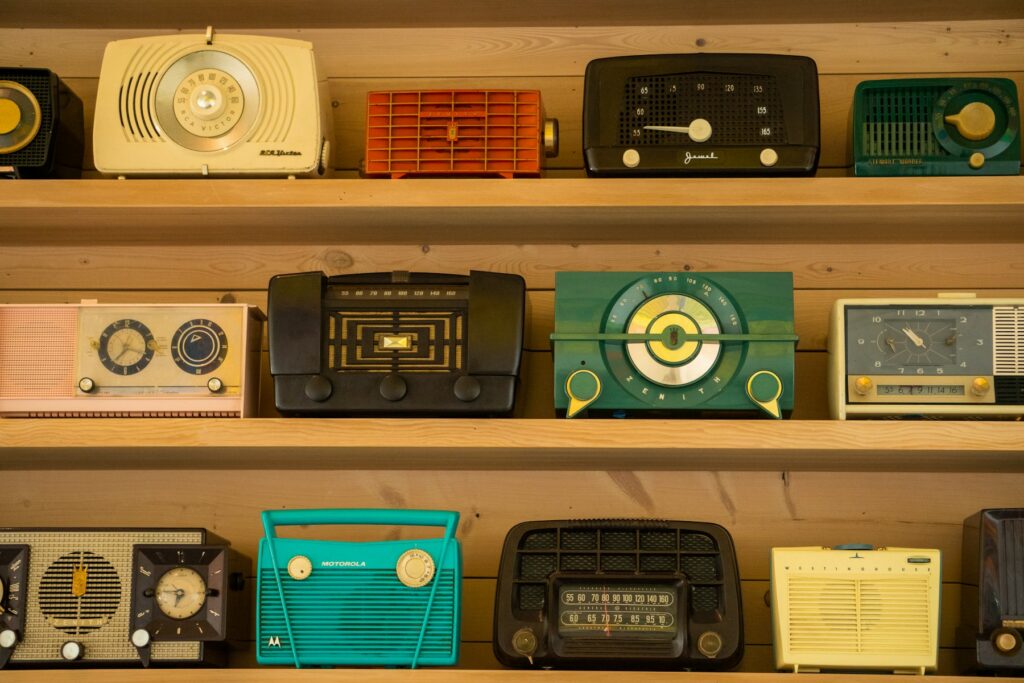
What kind of radio do you have?
- Early battery sets (1920s). Long, boxy wooden cabinets with several dials across the front, from makers such as Atwater Kent and Crosley. Many needed separate batteries and a horn-style speaker.
- Cathedral and tombstone radios (1930s). The classic arched “cathedral” shape and the taller, squared-off “tombstone” tabletop sets in wood. Philco, Zenith, RCA and others made them in large numbers, so the exact model and condition matter a great deal.
- Console radios. Floor-standing furniture radios. Beautiful, but large and heavy, so most buyers are local.
- Bakelite and Catalin tabletop sets (late 1930s to 1940s). Small molded plastic radios. Brown or black Bakelite is common. Catalin is the jewel of the group, made in bright and sometimes marbled colors like red, green, butterscotch and blue.
- Transistor radios (1954 and later). Pocket and portable sets. The Regency TR-1, the first commercial transistor radio, reached stores on October 18, 1954 for $50. Colorful pocket radios from the 1950s and early 1960s are popular with collectors today.
Why Catalin gets collectors excited
Catalin cabinets were produced from the late 1930s into the late 1940s, and relatively few survived. Heat made them brittle, and years in hot attics, sheds and barns destroyed many more. That scarcity is why the best examples bring serious money at auction: a Fada “Bullet” has sold for up to about $6,000, and a near-perfect Emerson AU-190 tombstone reportedly brought about $25,000. Common Catalin sets sell for far less, and cracks, heavy discoloration and replaced parts lower the price quickly. Look-alikes made from other plastics are common too, so it pays to have an expert take a look.
What makes an old radio valuable
- Maker and model. Look for a label or stamped model number on the back, the bottom or inside the cabinet, then look it up on Radiomuseum.org.
- Rarity and design. Unusual styling, mirrored glass, chrome and bright colors draw more bidders than plain brown boxes.
- Condition and originality. Original knobs, back panel, dial glass and finish matter most. Cracks, missing knobs and amateur repairs lower value.
- Working or not. Many collectors happily buy non-working radios, because they plan to restore them anyway.
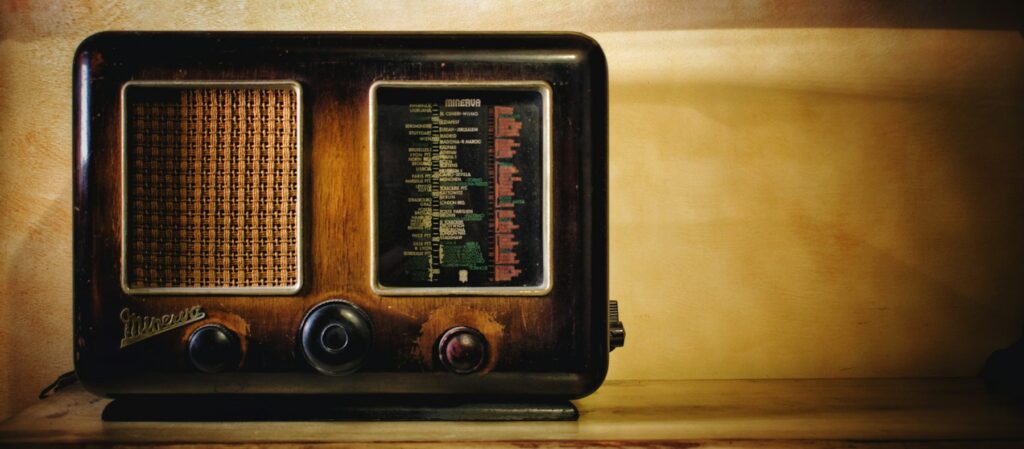
Please don’t plug it in
It is tempting to see whether an old tube radio still works, but a set that has sat for decades should not be plugged in until a qualified technician has checked it. Old capacitors break down with age, and powering up an unserviced radio can damage it or even start a fire. When we don’t know a radio’s condition we sell it as untested, and experienced buyers expect that.
Keep the original finish
Resist the urge to refinish. Stripping a lacquered wood cabinet, coating it in polyurethane or painting it lowers the value. A gentle dusting is all most radios need. Keep every piece together, including the back panel, knobs, tubes and any manuals or original boxes.
An Arizona tip: keep radios out of the heat
Garages and sheds here can get extremely hot in summer. Heat makes old plastics brittle and is hard on wooden cabinets and their finishes, so store radios indoors and out of direct sun.
Look for the rest of the collection
Where there is one radio, there are often more: shortwave portables like the Zenith Trans-Oceanic, spare tubes, old speakers, phonographs and ham radio equipment. Keep them together. Collections often sell better as a group of related lots.
From Blue Leaf
Have vintage radios to sell?
We sell estates and collections across Arizona through live and online auctions. Every piece is photographed, cataloged and sold item by item to the highest bidders. Call 602-758-0865 for a free consultation, or browse our online auctions.